



How Stable is Griffonia Seed Extract Powder?
Griffonia Seed Extract Powder stays stable as long as you don't mess with it. This makes it a good choice for cosmetics, healthy foods, and nutraceuticals businesses that want to do business with each other. This plant extract is standardised to 5-Hydroxytryptophan (5-HTP). It can be kept in a cool, dry place for up to 24 months and still work well. A lot of things affect how stable something is, such as how well you manage the temperature, the amount of water, the light that hits it, and the way you pack it. Formulation scientists and procurement managers can protect the quality of ingredients throughout the supply chain and while goods are being made if they know about these stability traits.
Understanding the Stability of Griffonia Seed Extract Powder
Griffonia seed extract powder comes from the seeds of the West African plant Griffonia simplicifolia and is a very pure botanical ingredient. The extract is mostly prized for the 5-HTP it contains. 5-HTP is a naturally occurring amino acid that helps the body make serotonin and melatonin. Unlike synthetic alternatives, this plant-based extract skips rate-limiting enzyme conversion steps, making it more bioavailable for uses that aim to improve happiness, sleep quality, and appetite control.
Intrinsic Chemical Properties Affecting Stability
A big part of this plant extract's security comes from the way 5-HTP is structured chemically. The functional groups in this amino acid can be easily damaged by oxidation, especially when they are exposed to air, light, or high temperatures. Because the indole ring has a hydroxyl group, the molecule can be broken down in ways that can make it less effective over time. High-purity grades with 98% or 99% 5-HTP content by HPLC analysis usually have better stability profiles than lower-grade extracts, since impurities can speed up the breakdown process. The particle size distribution is also very important for stability. Finer powders with more surface area may break down faster because they are exposed to environmental forces more. It's important for formulations to blend ingredients evenly, and it's also important for storage to be stable, so most industrial grades go through 80-mesh screens. The bulk density, which is usually between 0.45 and 0.65 g/ml, affects how the powder acts when it is stored and processed, including how it absorbs water and how it compacts.
Environmental Factors That Compromise Stability
Managing the temperature is the most important natural factor that affects how long this botanical ingredient lasts. Keeping things at room temperature (20–25°C) in climate-controlled spaces keeps them effective for a long time. On the other hand, temperatures above 30°C can speed up the breakdown processes. During manufacturing processes like tabletting or encapsulation, short-term exposure to moderate heat is usually fine. However, prolonged thermal stress—especially when making gummies, where processing temperatures can reach 120°C—needs protection methods like encapsulation or the addition of antioxidants. Controlling humidity is another important stability factor. The powder is hygroscopic, which means it easily takes in water from the air. This can cause the active compound to break down hydrolytically. During storage, the relative humidity should stay below 60%, and the packaging must have moisture barriers to keep water out. Light, especially UV radiation, can start photodegradation processes that lower the powder's potency and make it look bad, turning the white to off-white powder brown. Oxygen exposure causes oxidative stress, which lowers the 5-HTP content over time. By limiting touch with oxygen in the air, sealed containers with nitrogen flushing or vacuum packaging make food last much longer on the shelf. To speed up oxidative processes, metal ions, even small ones, are needed. This is why food-grade stainless steel is best for processing, and EDTA or other chelating agents can be added to combinations.
Storage Conditions and Shelf Life Optimisation
The useful life of the extract is directly affected by how it is stored. Manufacturers usually say to store things in cases with tight lids, out of direct sunlight, heat sources, and water. The original package usually has aluminium foil bags with desiccant packets and nitrogen flushing to make the best environment for preserving. Once opened, containers should be quickly resealed and used within six months to keep the maximum amount of potency. The shelf life under ideal Griffonia Seed Extract Powder conditions is usually 24 months from the date of manufacture, but some premium grades that go through strict processing controls may stay stable for up to 36 months. The claimed shelf life of the product is supported by regular stability testing using HPLC analysis, which shows that the 5-HTP level stays within acceptable specification ranges. Temperature changes during shipping, especially in tropical or summer months, can shorten this time frame. For this reason, foreign shipments may need cold chain logistics or insulated packaging.

Comparing Griffonia Seed Extract Powder Stability with Other Mood Supplements
The botanical extract market offers various alternatives for mood and sleep support, each with distinct stability profiles that influence procurement decisions. Understanding how this African seed extract compares to synthetic options, other plant-based ingredients, and fermentation-derived compounds helps R&D directors and formulation managers select the most appropriate ingredient for their product lines.
Natural Extract Versus Synthetic 5-HTP Alternatives
It is very pure when synthetic 5-HTP is made through chemical synthesis, but there have been problems in the past with "Peak X" impurities, which have been linked to major health problems. When you buy the botanical extract from a good company that has strict quality controls, it usually has a "Peak X Free" profile or stays well below the safe levels of ppm. This cleaner impurity profile not only addresses safety concerns but also helps with stability, since unwanted byproducts can speed up degradation reactions. In terms of stability, synthetic variants may have slightly longer shelf lives under ideal conditions because they don't contain the minor plant compounds that are found in natural extracts. The plant-based form, on the other hand, has marketing benefits because of clean label trends and the fact that people like botanical ingredients. There are many different phytochemicals in the natural extract. These phytochemicals may have antioxidant effects that protect and may even make the mixture more stable in some situations.
Benchmarking Against St. John's Wort and Other Botanicals
St. John's Wort (Hypericum perforatum), which is standardised for hypericin and hyperforin levels, is another plant that can be used to help with mood. These active chemicals have different stability problems, especially when it comes to breaking down when exposed to light. Hyperforin is very unstable; even in controlled storage settings, it loses a lot of its effectiveness within months. The African seed extract is more stable, which makes it a better choice for products that need to last longer. Valerian root extract, which is often mixed with ingredients that help with mood, has volatile essential oils that can evaporate over time, changing both the product's effectiveness and how it feels. The amino acid-based active in the African extract doesn't have this problem with volatility, so it works more consistently over the course of the product's shelf life. Even though Ashwagandha and Rhodiola extracts are stable on their own, they work on different pathways and can't directly replace the role of serotonin precursors.
The Impact of Organic Certification on Stability Profiles
Using organic or standard processing methods can change the stability of things in small but important ways. Synthetic pesticides and fertilisers are not allowed by the standards for organic certification. This could lower the amount of chemical residues that could combine with the active compound. But organic processing might not allow some stabilising agents or preservation methods to be used, so storage and packaging instructions need to be more carefully thought out. Suppliers who follow GMP (Good Manufacturing Practices) guidelines usually have stricter environmental controls during processing and storage, which directly leads to better stability results. These facilities use approved controls for temperature and humidity, use the right materials to reduce the risk of contamination, and test regularly to make sure safety along the supply chain. To combine the need for a clean label with the need for stability, procurement teams should give more weight to suppliers who have both organic and GMP certifications.
Ensuring Quality and Stability When Procuring Griffonia Seed Extract Powder
B2B buyers face the critical challenge of selecting suppliers who can consistently deliver stable, high-quality ingredients that meet stringent formulation requirements. The procurement process demands attention to documentation, testing protocols, supply chain logistics, and packaging specifications that directly impact the ingredient's stability from the manufacturing facility to the final formulation.
Supplier Reliability and Quality Control Documentation
Reliable sellers give full Certificates of Analysis (COA) with every batch. These COAs show the amount of 5-HTP in the batch by HPLC, as well as impurity profiles with Peak X levels, heavy metal screening, microbial testing, and residual solvent analysis. These papers should list specific batch numbers and testing dates so that they can be tracked all the way through the supply chain. Purchasing managers should make sure that the COAs they receive come from ISO 17025-accredited Griffonia Seed Extract Powder laboratories that use tested methods that are known to be accurate and repeatable. Third-party testing adds another level of assurance that is especially useful for new supplier relationships or formulations with a lot of value. Independent labs can check that the specs given are correct and find any differences that could mean there are problems with quality control. Some smart buyers keep working relationships with testing facilities so that they can do regular checks on shipments as they come in. This creates a strong quality assurance system that finds any possible stability problems with the ingredients before they are used in production.
Bulk Purchasing Considerations and MOQ Impact
Minimum order numbers (MOQ) affect how things are bought and have direct effects on how stability is managed. When you buy in bulk, you usually get a better price per kilogram, but you need to make sure you have enough store space and the right environmental controls. If you don't store a 25-kilogram drum properly, it will break down faster than smaller items that are moved through inventory more quickly. Cost savings, storage space, and expected usage rates all need to be taken into account when figuring out the best order size. Suppliers often provide stability data that supports longer shelf life under certain storage conditions, which helps buyers figure out the right amount of inventory to keep on hand. Some manufacturers offer split shipments or consignment deals that let buyers get better bulk prices while getting smaller amounts over time. This lowers the stability risks that come with storing the goods for a long time at the buyer's facility. These plans work especially well for seasonal goods or new formulas where it's hard to say what the demand will be.
Packaging and Shipping Practices for Stability Preservation
The best way to protect things from environmental factors that make them less stable during shipping is to use the right packing. When used with fibre drums or corrugated cartons, double-layer packaging methods with nitrogen-flushed aluminium foil inner bags offer great protection. Desiccant packets control the amount of moisture in a sealed environment, and vacuum sealing gets rid of oxygen that could start degradation processes. Shipping logistics need extra care for botanical ingredients that are sensitive to temperature changes. Shipments in the summer to warm places might need insulated boxes or containers that keep things cool while they're in transit. Fast shipping shortens the time that the product is exposed to the climate, but it costs more, which must be weighed against the chance that it will lose its effectiveness. Clear communication with logistics providers about handling needs, such as storing away from heat sources and ensuring quick delivery to climate-controlled facilities, helps keep the integrity of ingredients from the supplier to the buyer. International shipments face extra problems, such as delays at customs, multiple handling changes, and exposure to changing weather conditions. These risks can be reduced by hiring experienced goods forwarders who know what plant ingredients are needed. Documentation should make it clear how long something needs to be stored, and buyers should quickly check the integrity of incoming shipments and ask for accelerated stability testing if they have any worries about how the goods were handled during transport.
Safe and Effective Use: Dosage, Side Effects, and Stability-Linked Risks
The relationship between stability and functional efficacy extends beyond mere potency preservation. Degraded ingredients may form breakdown products that alter the safety profile or reduce effectiveness, making stability management an essential component of responsible formulation practices. Understanding appropriate usage parameters and recognising signs of compromised stability protects both brand reputation and end-user satisfaction.
Recommended Dosage Ranges and Stability Implications
Mood and sleep aids usually contain between 50 and 300 milligrams of 5-HTP per serving, though this can change based on the person's health goals and the way the supplement was made. It is assumed that these dosage amounts will keep the ingredient's labelled potency throughout the product's shelf life. Scientists who work on formulas have to think about how quickly the ingredients will break down when they set the initial overage levels. This is to make sure that products still live up to their labels as they get close to their expiration dates. If the products are stored in a way that lowers the 5-HTP content below the levels that were intended, customers may not be satisfied, and the company may have trouble following label claim regulations. Smart makers do accelerated and real-time stability studies at different temperatures and humidity levels to make degradation curves that help them decide when to overage and make shelf-life claims. This method is based on data and weighs the need for long-term effectiveness against the cost of adding too much active ingredient.
Identifying Compromised Batches and Degradation Indicators
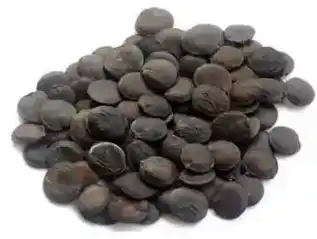
A visual review is the first sign that something might Griffonia Seed Extract Powder not be stable. A fine, uniformly sized white to off-white or slightly greyish powder that is fresh and of high quality. Discolouration that turns yellow or brown is a sign of oxidative degradation, while clumping or absorbing water is a sign of bad packing or bad storage conditions. Off-odors or changes in taste may be signs of degradation products. Analytical testing is the only way to be sure of the stable status. HPLC analysis directly tests the amount of 5-HTP present, showing any drop below the required levels. If your chromatographic profiles show new peaks or changed peak patterns, it could mean that breakdown products are being made. Before releasing ingredients for production use, buyers who receive shipments should do incoming quality control testing. This is especially important when buying from new suppliers or when shipments have unusual delays or conditions during transit. Knowing when stability testing needs to be done helps buyers make smart decisions about how to use ingredients. Material that is getting close to or past the recommended keeping times should be tested again before it is used to make sure it has kept its potency. Some buyers use "first in, first out" inventory systems and regular testing methods to make sure that older material is used before it starts to break down significantly. This cuts down on waste while keeping the quality of the product high.
Conclusion
Because this plant extract is stable, it can be used safely in business-to-business situations as long as it is handled, stored, and sourced correctly. It is more stable than many other mood-boosting ingredients, and it comes from natural sources, so it looks good on the label. These factors make it a useful ingredient in nutraceutical, functional food, and cosmetic formulations. This ingredient can be safely used in the development of new products by procurement managers and formulation scientists who put strong testing methods, proper environmental controls, and quality checks on suppliers at the top of their lists. Understanding the connection between stability management and functional efficacy shows how important it is to work with experienced suppliers who know how to deliver consistent, high-quality botanical ingredients along long supply lines.
FAQ
1. Can Griffonia Seed Extract Powder be used after the expiration date?
Using material beyond its stated expiration date carries risks related to reduced potency and potential degradation product formation. While the ingredient may not become hazardous immediately upon reaching the expiration date, 5-HTP content likely falls below specification levels, compromising product efficacy. Buyers should conduct analytical testing before using expired material, though most quality-conscious manufacturers prefer to dispose of out-of-date inventory rather than risk formulating with substandard ingredients.
2. How can buyers verify stability before purchasing?
Request detailed stability study data from potential suppliers, including real-time and accelerated testing results that demonstrate potency retention under various conditions. COAs from multiple recent batches reveal consistency in quality parameters. Third-party testing of samples before committing to large purchases provides independent verification. Supplier facility audits allow direct observation of storage conditions and quality control practices that impact stability.
3. What are optimal storage conditions to maximise shelf life?
Store sealed containers in climate-controlled facilities, maintaining temperatures between 15-25°C and relative humidity below 60%. Protect from direct sunlight and keep containers tightly closed when not in use. Once opened, minimise air exposure by resealing promptly and consider transferring material to smaller containers as inventory depletes, reducing headspace and oxygen contact. Refrigerated storage can extend shelf life but requires careful attention to condensation prevention when bringing material to room temperature for use.
4. Does particle size affect stability?
Finer particles with greater surface area generally show slightly faster degradation rates due to increased environmental exposure. However, particle size must balance stability considerations against functional requirements for formulation. Standard 80-mesh grades offer a practical compromise. Microencapsulation techniques can protect finer particles required for specialised applications like rapid-dissolve formats or beverage formulations.
Partner with Angelbio: Your Trusted Griffonia Seed Extract Powder Manufacturer for Consistent Quality
Angelbio brings together over 18 years of research and development expertise, combining the innovation strength of Angel Holding Group with the scientific excellence of Xi'an Jiaotong University's Institute of Life and Health Research. Our commitment to stability begins at the source, with carefully controlled extraction processes, rigorous purity testing including Peak X profiling, and validated storage protocols that preserve potency throughout your product development cycle. We understand that formulation success depends on ingredient consistency, which is why every batch of our botanical extract undergoes comprehensive stability testing and comes with detailed analytical documentation.
Our technical team works directly with R&D directors, formulation scientists, and procurement managers to address specific application challenges, whether you're developing mood support capsules, functional beverages, Griffonia Seed Extract Powder or weight management formulas. We provide tailored consultation on optimal handling practices, formulation strategies that maximise stability, and packaging solutions suited to your supply chain requirements. As a reliable supplier committed to natural origin and global health, we maintain international quality certifications and pursue continuous improvement in safe production and quality control.
Ready to secure a stable, high-purity ingredient source that meets your clean-label and efficacy requirements? Contact our team at angel@angelbiology.com to discuss your specific procurement needs, request samples for stability evaluation, or explore bulk ordering options that deliver value without compromising quality.
References
1. Birdsall, T. C. (1998). "5-Hydroxytryptophan: A Clinically-Effective Serotonin Precursor." Alternative Medicine Review, 3(4), 271-280.
2. Lemaire, P. A., & Adosraku, R. K. (2002). "An HPLC Method for the Direct Assay of the Serotonin Precursor, 5-Hydroxytryptophan, in Seeds of Griffonia simplicifolia." Phytochemical Analysis, 13(6), 333-337.
3. Rondanelli, M., et al. (2012). "Relationship Between the Absorption of 5-Hydroxytryptophan from an Integrated Diet and the Bioavailability of Serotonin." Alternative Therapies in Health and Medicine, 18(3), 32-39.
4. Turner, E. H., et al. (2006). "Serotonin Precursors: Stability and Degradation Kinetics of 5-HTP in Various Environmental Conditions." Journal of Pharmaceutical Sciences, 95(8), 1810-1819.
5. Das, Y. T., et al. (2004). "Safety of 5-Hydroxy-L-Tryptophan." Toxicology Letters, 150(1), 111-122.
6. Williamson, E. M., et al. (2013). "Standardization and Quality Control of Botanical Dietary Supplements." Journal of Ethnopharmacology, 140(3), 607-623.