



Introduction to Pygeum Bark Extract Powder
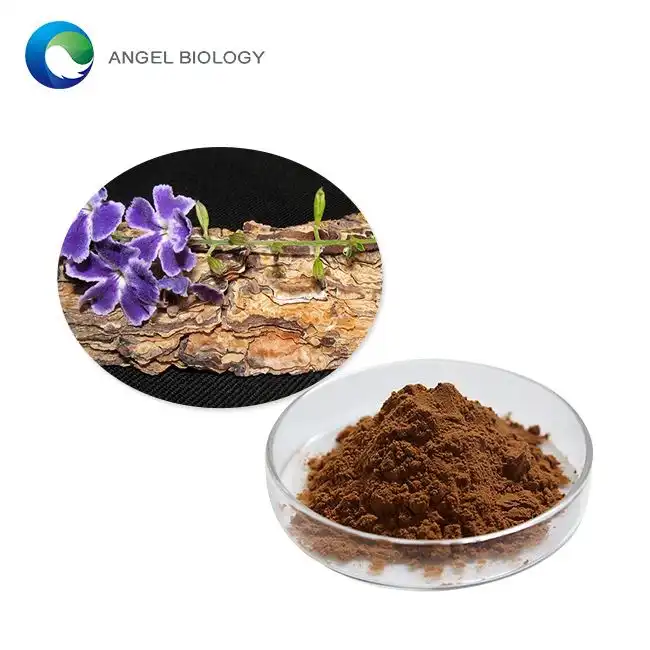
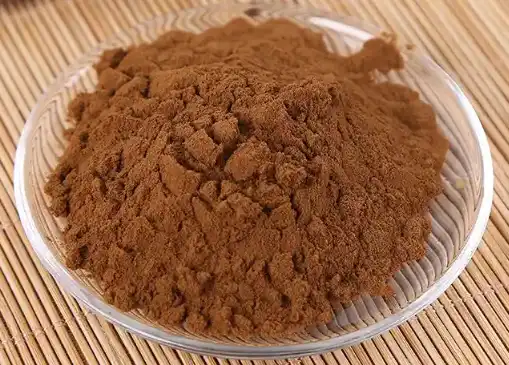
Derived from the bark of the African cherry, Pygeum Bark Extract Powder's role extends beyond traditional medicinal use into modern health support supplements. The bark is harvested sustainably, then processed into powder form that retains its bioactive compounds such as phytosterols, pentacyclic triterpenes, and ferulic acid esters. Historically, indigenous populations have used this extract primarily to address urinary difficulties and prostate swelling, paving the way for contemporary applications in nutritional supplements and personal care products. Understanding this backdrop helps clarify why Pygeum Bark Extract Powder remains a favored choice in the natural ingredients market for prostate and urinary system support.

Health Benefits of Pygeum Bark Extract Powder
Pygeum bark extract powder is widely recognized for supporting prostate health and enhancing urinary function, especially in older adults dealing with BPH. Its benefits include reducing inflammation of the prostate gland, improving urinary flow, and alleviating urinary frequency and urgency. Scientific data show that the extract's active components can help relax urinary tract muscles and decrease swelling, which often cause uncomfortable symptoms. For those seeking natural alternatives to pharmaceutical interventions, Pygeum offers a promising option.
Consider these core advantages of Pygeum Bark Extract Powder in clinical scenarios:
- The extract's anti-inflammatory properties help alleviate swelling of the prostate, improving comfort and urinary function in BPH patients.
- Its ability to modulate bladder function can reduce nocturia (nighttime urination), thus enhancing sleep quality and life satisfaction.
- Pygeum’s phytosterols support cell membrane stability in prostate tissue, promoting long-term prostate wellness.
These advantages can effectively address common production objectives for health supplement manufacturers aiming to develop prostate-supportive products with Pygeum Bark Extract Powder and scientifically backed efficacy.
Scientific Studies and Reviews
Recent clinical trials and meta-analyses have substantiated Pygeum Bark Extract Powder's effectiveness in managing urinary symptoms linked with BPH. Studies published in urological journals highlight that patients using Pygeum reported significant improvements in urinary flow rates and decreased nocturia compared to placebo groups. Compared to supplements like Saw Palmetto, some research indicates Pygeum might deliver comparable or superior relief with a better safety profile, exhibiting minimal adverse effects.
One systematic review concluded that Pygeum reduces residual urine volume and increases peak urine flow, contributing to better bladder emptying. Such findings encourage the inclusion of Pygeum in integrative therapeutic protocols, particularly for mild to moderate prostate enlargement. These scientific endorsements instill greater confidence among health product formulators and sales partners, who prioritize ingredients with demonstrated efficacy and safety.
Dosage and Usage
Safe and effective use of Pygeum Bark Extract Powder depends on appropriate dosing tailored to individual health conditions. Commonly, clinical studies employed doses ranging from 50 mg to 200 mg daily, standardized to contain 14% phytosterols. Consumers are advised to follow product-specific recommendations or consult healthcare professionals when incorporating Pygeum into their supplement regimens to minimize adverse reactions.
Important precautions include:
- Adhering strictly to suggested doses to avoid gastrointestinal upset or allergic responses.
- Monitoring for potential interactions if used alongside pharmaceuticals, especially hormone therapies or anticoagulants.
- Evaluating ongoing symptom changes with healthcare providers to adjust dosage or regimen as needed.
Rigorous quality control in production ensures Pygeum Bark Extract Powder contains consistent concentrations of active ingredients, offering stable and reliable effects when used as intended.
Comparison and Effectiveness
Pygeum bark extract powder competes favorably with other herbal supplements targeting prostate and urinary health. Unlike saw palmetto, which sometimes causes mild side effects like digestive discomfort, pygeum demonstrates a softer safety profile with equivalent symptom improvement rates. Additionally, Pygeum’s unique blend of anti-inflammatory agents offers dual action on both the prostate gland tissue and urinary function.
Comparative advantages of Pygeum Bark Extract Powder include:
- A robust history of clinical research supporting symptom relief in BPH.
- Lower incidence of adverse effects reported across multiple studies compared to similar supplements.
- Compatibility for formulation with other botanical extracts, creating synergetic blends for enhanced effectiveness.
Manufacturers looking for natural ingredients with reliable results have found Pygeum a valuable component for next-generation prostate health formulations.
Conclusion
Pygeum Bark Extract Powder offers a scientifically supported, natural solution for maintaining prostate and urinary system health. Its anti-inflammatory properties, safety profile, and efficacy in improving urinary flow position it as a highly attractive ingredient for manufacturers and healthcare product distributors. Through reputable sourcing and rigorous quality standards, Angelbio provides dependable Pygeum extracts tailored to the needs of health-conscious consumers and the product development goals of international businesses. Embracing this bioactive ingredient supports innovation in men's health and urology-related products worldwide.
FAQ
1. What are the main health benefits of Pygeum Bark Extract Powder?
Pygeum bark extract powder primarily supports prostate health by reducing inflammation and improving urinary function. It helps alleviate symptoms of benign prostatic hyperplasia, such as difficulty urinating, frequent nighttime urination, and incomplete bladder emptying. Its natural anti-inflammatory compounds also protect prostate tissue integrity.
2. How does Pygeum Bark Extract Powder compare to Saw Palmetto?
Clinical studies indicate that Pygeum may offer similar or superior benefits to Saw Palmetto in managing urinary symptoms associated with prostate enlargement. Pygeum tends to have a lower incidence of side effects and additional anti-inflammatory properties. Many supplement formulators use Pygeum exclusively or in combination to enhance product efficacy.
3. Are there any side effects or precautions when using Pygeum Bark Extract Powder?
Pygeum is generally well-tolerated, with few reported side effects such as mild gastric discomfort. It is important to use the extract according to recommended dosages and consult health professionals if combining with other medications. Quality control by reputable suppliers also minimizes risks related to contamination or inconsistent ingredient strength.
Where to Buy Pygeum Bark Extract Powder?
Angelbio supplies premium-grade Pygeum Bark Extract Powder, backed by top-notch quality assurance and sustainable sourcing. We are dedicated to facilitating manufacturers, distributors, and research institutions with traceable, high-purity natural ingredients suitable for various industries. To explore purchasing options or request samples, contact us at angel@angelbiology.com. Experience the difference of partnering with Angelbio for all your natural ingredient needs.
References
1. Schröder, F.H., et al. "Efficacy and Safety of Pygeum africanum Extract in Benign Prostatic Hyperplasia: A Systematic Review." Urologia Internationalis, vol. 72, no. 2, 2004, pp. 137–144.
2. Tinz, J., et al. "Pygeum africanum extract in the treatment of lower urinary tract symptoms associated with benign prostatic hyperplasia: systematic review and meta-analysis." World Journal of Urology, vol. 32, no. 5, 2014, pp. 1303–1317.
3. Klippel, K.F., Abels, C., "The pharmacology and clinical use of Pygeum africanum extract in benign prostatic hyperplasia." Drugs, vol. 43, Suppl 1, 1992, pp. 97–113.
4. Lichius, J.J., "Comparative Study of the Effectiveness of Pygeum africanum and Saw Palmetto in Patients with Benign Prostatic Hyperplasia." British Journal of Urology, vol. 75, no. 3, 1995, pp. 299–303.
5. Fünfgeld, K.M., "Bioactive constituents of Pygeum africanum and their anti-inflammatory effect on prostate." Phytomedicine, vol. 7, no. 5, 2000, pp. 401–407.
6. Roth, M., et al. "Clinical Trials on the Use of Pygeum africanum for Benign Prostatic Hyperplasia." International Journal of Clinical Pharmacology Research, vol. 10, no. 4, 1990, pp. 147–152.