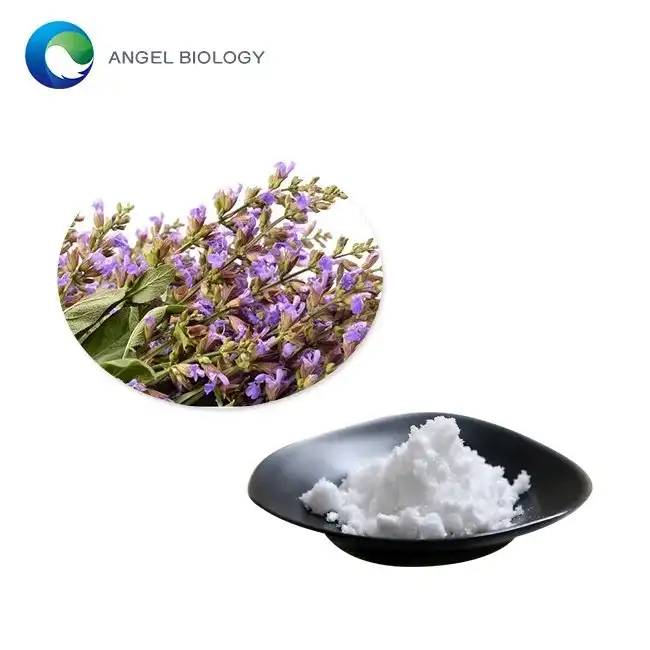




White Willow Bark: Natural Pain Relief
You should really look into white willow bark if you're looking for natural ways to deal with pain. This plant-based ingredient has White Willow Bark Extract Salicin, a naturally White Willow Bark Extract Salicin occurring compound known for its pain-relieving and anti-inflammatory qualities that has been used for thousands of years in different cultures. Modern study backs up what traditional healers have known for a long time: this extract supports joint comfort, muscle recovery, and overall health in a more gentle way, without the harsh side effects that are common with synthetic options. As more people want clean-label, plant-based products, it's important for people who are making nutritional, cosmetic, or functional food products to know about this powerful extract's technical specs and real-world uses.
Understanding White Willow Bark Extract and Salicin
White willow bark comes from various Salix species, with the inner bark serving as the source of salicin—a phenolic glycoside that the body converts into salicylic acid through enzymatic processes. This conversion mechanism distinguishes natural salicin from synthetic compounds, providing a controlled-release effect that maintains plasma levels longer while reducing the potential for gastric irritation.
The Chemical Nature of Salicin
Salicin, which has the chemical formula C13H18O7, is just one part of the complicated phytochemical profile of white willow bark. Good extracts keep all of the co-actives, like polyphenols, flavonoids like isoquercitrin and naringin, and tannins. Together, these secondary molecules boost the extract's antioxidant power and make it more useful in more situations. Standardised extracts usually have salicin contents ranging from 15% to 98%, which can be checked using HPLC (High-Performance Liquid Chromatography) to get exact numbers. Lower concentrations keep the entourage effect of plant chemicals that work well with each other, while higher purities get closer to being pharmaceutical-grade useful for certain formulation needs.
Mechanism of Action and Health Benefits
Salicin is broken down in the liver and then absorbed in the intestines. This changes it into salicylic acid, which then changes the production of prostaglandins. This is the same biochemical target that synthetic non-steroidal chemicals are aimed at. This modulation helps control inflammatory reactions all over the body, which is especially helpful for people with osteoarthritis and rheumatoid arthritis who have problems with their joints. Researchers have found that taking 120 mg to 240 mg of pure salicin every day can help people who are having lower back pain or muscle soreness from exercise. This extract is being used more and more in post-workout recovery blends by athletes and sports nutritionists to help with Delayed Onset Muscle Soreness (DOMS) because it helps the body handle its natural inflammatory reaction.
Bioavailability and Safety Considerations
The pharmacokinetic profile of natural salicin is one reason why it is better than synthetic substitutes. The longer duration of action is due to the slower metabolic conversion, which provides steady support over several hours instead of the quick rise and fall pattern of synthetic options. This temporal distribution helps to improve tolerance profiles, and clinical studies show that it causes less stomach distress than other options. But ethical formulation means recognising when something shouldn't be used. People who are sensitive to salicylates, taking substances that stop blood clotting, or who are pregnant should talk to a doctor before using it. When products follow the dosage standards, which are usually based on standardised salicin content rather than crude extract weight, the safety profile stays strong.

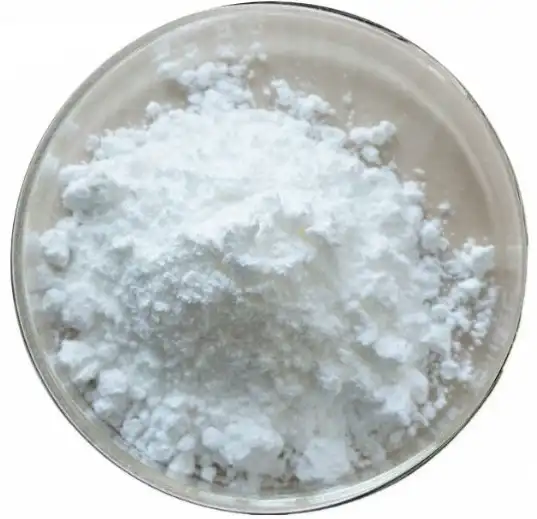
Comparison and Selection Criteria for White Willow Bark Extract Salicin
Procurement professionals face numerous decisions when selecting willow bark extracts, with implications for product efficacy, regulatory compliance, and market positioning. Understanding the technical distinctions between available options empowers better sourcing decisions aligned with specific formulation goals.
Standardisation Methods and Quality Markers
Both price and efficiency are greatly affected by the assay of White Willow Bark Extract Salicin method. UV spectrophotometry is less expensive, but it can find both total salicylates and flavonoids that might be interfering, which could make the quantity look higher than it really is. A 15% UV-tested sample might only have 4–5% real salicin when tested by HPLC, which separates and measures the target molecule. To make sure they do an accurate cost-benefit analysis, professional buyers should always compare products based on material that has been HPLC-verified. In addition to the amount of salicin, high-quality extracts show controlled levels of related compounds such as salicortin and tremulacin. These compounds act like fingerprints that show the extracts come from natural plants and not manufactured ones.
Organic Certification and Sourcing Transparency
As clean-label trends change what people expect, organic labelling has a bigger impact on what people buy in the cosmetics and nutraceutical industries. Certified organic willow bark extracts cost more than other willow bark extracts, but they are better for marketing and fit with the natural product image. The farming methods used for organic approval also lead to lower levels of heavy metals and pesticide residues, which are important factors to consider for goods that will be sold in countries with strict import rules. Traceability documents, such as proof of botanical origin and clear information about where the harvest took place, set quality-assured suppliers apart from commodity traders even more.
Physical Form Selection for Different Applications
How the extract is offered has a direct effect on how well it works in a formulation. There are many types of industries that can use fine hygroscopic powders that range in colour from brownish-yellow (15–25% test) to off-white crystalline (50–98% assay). Useful drinks, tinctures, and products that are mixed with water work well with ingredients that dissolve in water. What makes something solubilising different depends on how it was extracted. For instance, processes that use alcohol make more salicin but less water absorption than processes that use liquid extraction. How well the production process works depends on how the powder moves and how the different-sized particles are spread out in dietary supplements. The people who make cosmetics make sure that colour batches and smell profiles are always the same so that the final product always looks the same.
Supplier Evaluation and Certification Requirements
Quality standards that can be checked are what make supply relationships work. Getting certified in Good Manufacturing Practice (GMP) means that a business is committed to following normal output standards. On the other hand, ISO certification shows that a business handles quality in a planned way. A Certificate of Analysis (COA) should be added to each batch that shows how much salicin was used, how many bacteria can grow at most, what heavy metals were found, and how much liquid residue was found. Leading providers keep stability data that backs up claims about shelf life and offer technical support materials such as suggested usage levels, compatibility studies, and summaries of the regulatory status for different markets. Transactional vendors are different from strategic partners because transactional vendors can't offer private labelling, custom concentration mixing, or low minimum order amounts.
Procurement Guide for Bulk Buyers and Distributors
Navigating bulk procurement requires balancing quality assurance with commercial realities. A structured evaluation process minimises risk while optimising value across the supply chain.
Strategic Supplier Identification
Finding trustworthy sellers of white willow bark extract requires more than just comparing prices. When compared to trading middlemen, manufacturers with integrated supply chains that control cultivation, extraction, and standardisation offer more stability and traceability. Geography is important because the rules and regulations are very different in different business areas. Suppliers who work with the cosmetics and pharmaceutical businesses usually have higher quality standards than suppliers who only work with the dietary supplement market. Ask for audit reports, customer references from well-known names, and copies of any FDA warning letters or import refusals that could show problems with quality control.
Sample Acquisition and Testing Protocols
Before you place a large order, get samples that are a good representation of the exact specification and lot you'll get in large amounts. Third-party testing should be done to check the claimed salicin content using HPLC, look for impurities, and make sure the quality of the microbes meets your own standards. Comparative dissolution testing can show differences in how well different suppliers' formulations work, even if the standards are mostly the same. When you test for stability under accelerated conditions (high temperature and humidity), you can guess how long something will last and find possible degradation paths that need protective formulation strategies or packaging changes.
Quality Control Standards and Documentation
Setting up clear quality agreements saves everyone, and White Willow Bark Extract Salicin makes sure that the quality of the materials is the same from shipment to shipment. Set acceptance standards that include identity testing (TLC or HPLC fingerprinting), assay ranges with accepted tolerance windows, heavy metal and pesticide contamination limits, and microbial requirements. As the market for salicin grows, it becomes more important to make sure that it is real. Carbon-14 tests can tell the difference between naturally occurring salicin and man-made sources by finding radiocarbon signatures that are only found in recent biological photosynthesis. The fact that certain small willow isomers were found in the HPLC fingerprint adds to the evidence that the substance comes from a plant. Keep samples from each lot for at least a year after the product's expiration date so that they can be tracked down if a customer asks.
Storage and Handling Best Practices
White willow bark extracts demonstrate stability under standard ambient conditions, but sensitivity to extreme heat and high humidity requires controlled storage. Warehousing in airtight containers prevents moisture absorption, leading to caking and potential hydrolysis of the glycosidic bond in salicin. Temperature-controlled environments, maintaining 15-25°C, optimise long-term stability. Implement first-in-first-out inventory rotation and monitor storage conditions with data loggers documenting any excursions outside specified ranges. Proper handling minimises oxidative degradation—limit light exposure for bulk materials and consider nitrogen flushing for long-term storage of high-purity isolates.
Integrating White Willow Bark Extract Salicin into Your Product Line
Successfully incorporating this botanical extract requires understanding both technical formulation considerations and market positioning strategies. The versatility of salicin-rich extracts supports diverse applications across multiple industry sectors.
Nutraceutical Applications and Formulation Synergies
White willow bark extract's main market is in joint health products, where it works well with other ingredients that work well together. Combining with glucosamine sulphate, chondroitin, or Boswellia serrata makes full formulations that work on many processes involved in cartilage health and managing the inflammatory response. Natural salicin's time-release properties work well with the immediate-acting properties of other plants, giving you support both right away and over time. Branched-chain amino acids and antioxidants like quercetin work well together in sports nutrition items that help you recover from exercise. Every day, people usually take between 120 mg and 240 mg of pure salicin, which equals 480 mg to 960 mg of a 25% standardised extract. Capsules and tablets make up most of the market, but people with active lifestyles are becoming more interested in new ways to give drugs, such as effervescent powders and liquid concentrates.
Cosmetic and Personal Care Applications
White willow bark extract is being used more and more in cosmetics as a natural option to beta hydroxy acids made in a lab. Its mild keratolytic activity encourages cell turnover and exfoliation without the stinging feeling that comes with synthetic salicylic acid, which makes it perfect for recipes for sensitive skin. Anti-acne products use its ability to open up pores and fight Propionibacterium acnes and Staphylococcus aureus bacteria in a mild way. Toners, serums, and overnight products work best when they are made with a pH range of 3.5 to 5.0. The extract also helps anti-aging products because it has antioxidant qualities that go beyond salicin and include polyphenolic co-actives. The complex phytochemical profile benefits more than one skin health pathway, unlike synthetic alternatives that White Willow Bark Extract Salicin only work by chemically exfoliating. To keep an emulsion stable, you need to pay attention to the pH level and make sure that the preservatives work well with the extract. If you make it right, the extract can help with natural preservation methods.
Functional Food and Beverage Integration
Some willow bark extracts are moderately to highly soluble in water, which means they can be added to functional drink recipes for busy people. Standardised salicin amounts can be easily delivered through recovery drinks, herbal teas, and wellness shots. Activity is kept during hot-fill processing by thermal stability at normal pasteurisation temperatures. Concerns about flavour are important. Because salicin has a bitter taste, it needs to be covered up with natural sweeteners or plant flavours that go well with it. The ingredient can be used in more ways than just supplements. It can be added to nutrition bars, gummies, and useful snacks, for example. Compliance with regulations varies by region. For example, new food assessments are needed in some markets. For foreign product launches, it is important to talk to regulators early on.
Regulatory Compliance and Labelling Guidance
To get around the rules, you need to know how willow bark extract is classified in the places you want to reach. In the US, it's usually covered by rules about dietary supplements that say they have to follow cGMP standards and list the active ingredients correctly on the label. Some concentrations may be seen as traditional herbal medicines in European markets, which means they need to be registered under the THR system. Different rules apply to cosmetics, and the ingredients must be listed according to INCI nomenclature (Salix Alba Bark Powder or Extract, based on how it was processed). Health claim proof needs vary a lot from one place to another. For example, structure-function claims that are legal in supplements might not work in cosmetics. Hiring regulatory experts who know your product category and target markets should happen during formulation development, not after the product is finished.
Conclusion
White willow bark extract is a natural ingredient that combines old botanical knowledge with new scientific proof. It is a flexible ingredient that can meet today's customer demand for plant-based, clean-label products. Its special pharmacokinetic profile gives it long-lasting activity and better tolerance compared to synthetic alternatives. Its high level of technical complexity, made possible by different standardisation levels, meets a wide range of application needs. To make integration into nutraceutical, cosmetic, or functional food items work, you need to be very careful when choosing a supplier, checking the quality, and making sure the formulation works best. As people continue to prefer natural products backed by science, white willow bark extract is a smart ingredient choice that can help products stand out and fit in with health trends that affect people's decisions to buy products around the world.
FAQ
1. What standardisation level of salicin should I specify for joint health supplements?
Most clinical research supporting joint comfort applications used extracts delivering 120-240mg daily of pure salicin. Specifying a 25% standardized extract allows practical dosing at 480-960mg per serving, accommodating standard capsule sizes. Higher concentrations (50% or above) enable lower per-serving weights but sacrifice the entourage benefits of polyphenolic co-actives that contribute antioxidant support. The decision depends on your product positioning—premium formulations emphasising holistic botanical synergy benefit from lower concentrations, retaining the full phytochemical spectrum, while targeted high-potency positioning suits higher standardisations.
2. How does HPLC testing differ from UV testing for salicin content?
HPLC (High-Performance Liquid Chromatography) provides molecular-specific quantification by physically separating and identifying the salicin compound based on its unique chemical structure and retention time. UV spectrophotometry measures light absorption at wavelengths where salicin absorbs, but other compounds, including flavonoids and related salicylates, also absorb at similar wavelengths, potentially inflating results. An extract showing 15% by UV testing might contain only 4-5% actual salicin when measured by HPLC. This discrepancy significantly impacts both pricing evaluation and formulation accuracy. Professional procurement should always reference HPLC-verified content for specification purposes.
3. Can white willow bark extract directly replace synthetic salicylic acid in cosmetic formulations?
Direct 1:1 substitution by mass does not yield equivalent activity levels. The extract functions as a gentler, natural precursor requiring enzymatic conversion in the skin to generate active salicylic acid, resulting in milder exfoliation suitable for sensitive skin types. Marketing positioning emphasises "natural BHA alternative" rather than claiming identical performance to synthetic acids. Typical usage levels in cosmetics range from 0.5% to 5% of the finished product, depending on standardisation and desired activity. The extract offers advantages beyond simple exfoliation, including antioxidant support and intrinsic antimicrobial properties, providing value differentiation beyond direct synthetic replacement.
4. What quality verification methods confirm natural versus synthetic salicin sourcing?
Carbon-14 radiocarbon analysis definitively distinguishes natural botanical sources from synthetic chemical synthesis. Naturally derived salicin from recent biological photosynthesis carries a specific radiocarbon signature, while synthetic production from fossil fuel derivatives appears "radiocarbon dead" due to the extreme age of petroleum source materials. Additionally, HPLC fingerprint analysis revealing the presence of willow-specific minor compounds like salicortin confirms botanical origin. These verification methods protect against economically motivated adulteration, which becomes more likely as market demand and pricing for natural extracts rise. Requesting C14 certificates with initial supplier qualification and periodic reconfirmation provides assurance for natural product claims.
Partner with Angelbio for Premium White Willow Bark Extract Salicin
Angelbio combines 18 years of independent R&D excellence with rigorous quality control to deliver pharmaceutical-grade white willow bark extract salicin that meets the demanding standards of nutraceutical formulators, cosmetic innovators, and functional food developers worldwide. Our vertically integrated supply chain ensures batch-to-batch consistency, complete traceability, White Willow Bark Extract Salicin and HPLC-verified standardisation from 15% to 98% concentrations. As a trusted white willow bark extract salicin supplier, we offer flexible private labelling, custom formulation support, and comprehensive technical documentation supporting your regulatory compliance across international markets. Contact our team at angel@angelbiology.com to request samples, discuss your specific application requirements, and discover how our commitment to natural origin and global health can strengthen your product portfolio.
References
1. Shara, M., & Stohs, S. J. (2015). Efficacy and safety of white willow bark (Salix alba) extracts. Phytotherapy Research, 29(8), 1112-1116.
2. Vlachojannis, J. E., Cameron, M., & Chrubasik, S. (2009). A systematic review on the effectiveness of willow bark for musculoskeletal pain. Phytotherapy Research, 23(7), 897-900.
3. Schmid, B., Lüdtke, R., Selbmann, H. K., Kötter, I., Tschirdewahn, B., Schaffner, W., & Heide, L. (2001). Efficacy and tolerability of a standardised willow bark extract in patients with osteoarthritis: randomised placebo-controlled, double blind clinical trial. Phytotherapy Research, 15(4), 344-350.
4. Bonaterra, G. A., Heinrich, E. U., Kelber, O., Weiser, D., Metz, J., & Kinscherf, R. (2010). Anti-inflammatory effects of the willow bark extract STW 33-I (Proaktiv®) in LPS-activated human monocytes and differentiated macrophages. Phytomedicine, 17(14), 1106-1113.
5. Meier, B., Sticher, O., & Julkunen-Tiitto, R. (1988). Pharmaceutical aspects of the use of willows in herbal remedies. Planta Medica, 54(6), 559-560.
6. Pobłocka-Olech, L., Inkielewicz-Stępniak, I., & Krauze-Baranowska, M. (2010). Anti-inflammatory and antioxidative effects of the buds from different species of Salix. Phytotherapy Research, 24(11), 1676-1681.