




What Is Folium Apocyni Veneti Extract Powder Used For?
Folium apocyni veneti extract powder is a botanical ingredient made from the leaves of Apocynum venetum, also known as Luobuma. Depending on local regulations and product requirements, manufacturers may use it in dietary supplement capsules and tablets, herbal tea blends, functional beverage formulations, and selected personal-care products. Buyers often choose extract powder because it offers a more concentrated and measurable ingredient format than unprocessed leaf material. In this guide, we explain what the ingredient is, where it may fit, how it compares with other product forms, and which quality checks matter before purchasing. We also outline the specifications and supplier information buyers should review when sourcing from Angelbio.
What Is Apocynum Venetum Leaf Extract Powder?
Botanical Identity and Common Names
Apocynum venetum belongs to the Apocynaceae family. It is found in parts of China and Central Asia, including areas with saline or alkaline soils. The leaves are commonly known as Luobuma leaves. Commercial ingredient descriptions may use names such as Apocynum venetum leaf extract, Luobuma leaf extract, or Folium apocyni veneti extract powder.
For procurement and traceability, the botanical name, plant part, extract form, and product grade should be consistent across the quotation, specification sheet, COA, label, and shipping documents. Differences in naming can create confusion during product registration, customs review, or internal quality approval. Buyers should request botanical identification information and, where appropriate, analytical identification such as thin-layer chromatography (TLC) against a suitable reference material. This helps distinguish the intended species from other botanicals with similar common names.


How the Extract Powder Is Produced
Production generally begins with dried Apocynum venetum leaves that have been inspected and authenticated. Depending on the manufacturer's process, the leaves may be extracted using water, ethanol, or a water-ethanol mixture. The extract is then filtered, concentrated, and dried. Spray drying is one possible method, while other drying approaches may be used according to the desired product characteristics.
The extraction solvent, raw material quality, concentration conditions, and drying process can influence the powder's color, taste, solubility, and marker-compound profile. Additional steps such as sieving, blending, testing, and packaging help prepare the material for commercial use.
Quality checks should be based on the product specification and intended market. Depending on the raw material and manufacturing process, buyers may request testing for relevant contaminants, including heavy metals, pesticide residues, residual solvents, microbiological parameters, and polycyclic aromatic hydrocarbons (PAHs). Specific limits should follow applicable regulations, customer requirements, and validated analytical methods rather than being treated as universal values for every batch.
Appearance and Technical Specifications
Folium apocyni veneti extract powder is commonly described as a fine yellow-brown to brownish-green powder with a characteristic botanical odor. Its exact color, particle size, bulk density, and marker-compound content may vary with the raw material, extraction ratio, solvent system, and drying process.
Some commercial specifications may include an 80-mesh particle-size requirement and a defined total-flavonoid or hyperoside content. For example, total flavonoids may be specified within a selected range, while hyperoside may be measured separately by HPLC. These values are not interchangeable: the total-flavonoid result depends on the analytical method, while HPLC can quantify a specific marker compound. Buyers should confirm the assay method, reference standard, and acceptance range before comparing suppliers.
Bulk density, tapped density, moisture content, and solubility should also be included when they are relevant to the intended formulation. Do not assume that every extract has the same flow properties, moisture sensitivity, or heat tolerance. Storage conditions and shelf life should be supported by product-specific stability information. The supplier should specify the recommended packaging, storage temperature, moisture protection, and retest or expiry period for the actual grade being offered.
Where Folium Apocyni Veneti Extract Powder Is Used
Dietary Supplements and Botanical Formulations
Folium apocyni veneti extract powder may be incorporated into botanical blends, capsules, tablets, powder sachets, and other supplement formats, subject to the regulations of the target market. Its suitability depends on botanical identity, marker-compound specifications, sensory properties, and compatibility with the other ingredients in the formulation.
For tablet production, formulators may evaluate granulation, flowability, compressibility, and the need for suitable excipients such as microcrystalline cellulose (MCC). Capsule and powder-sachet manufacturers should also consider filling behavior, moisture control, and blend uniformity. The stability of botanical constituents can be affected by moisture, temperature, light, and interactions with other formulation components. Appropriate packaging and storage conditions should therefore be selected based on testing.
Before requesting a quotation, tell the supplier your intended dosage form, target marker-compound content, required extract ratio, and estimated order quantity. This information helps the supplier identify a suitable grade and provide samples and specifications that match your formulation requirements.
Functional Foods and Herbal Beverages
For beverage applications, formulators should first evaluate the extract's dispersion, solubility, taste, color, and stability in the intended drink system. A powder that disperses well in a tea blend may behave differently in plain water or an acidic beverage. Solubility should therefore be confirmed under the actual processing and formulation conditions.
Some grades may be suitable for use in herbal tea blends or powdered beverage mixes. Other applications may require additional processing, such as granulation or microencapsulation, to improve handling or help manage interactions with the beverage matrix. These techniques do not automatically guarantee a clear or stable finished drink. Cloudiness, sedimentation, color changes, and flavor impact should be evaluated through formulation trials.
Processing temperature, pH, mixing time, and storage conditions can influence the finished product's characteristics. Before moving to pilot production, test the extract in the intended formula and record its appearance, taste, dispersion, and stability over the planned storage period. Beverage developers often begin with herbal drink mixes or instant tea products, but the final application should be selected according to actual formulation results and market requirements.
Cosmetic, Personal-Care, and Research Uses
Some cosmetic and personal-care formulators investigate Apocynum venetum leaf extracts as botanical ingredients. However, suitability for cosmetic use should be assessed separately from food or supplement applications. Buyers should confirm the applicable INCI name, ingredient documentation, safety information, impurity profile, and regulatory status in the target market.
A botanical extract intended for a cosmetic formula may require different specifications from a food-grade or supplement-oriented material. Formulators should evaluate color, odor, compatibility, and stability in the finished product. Any skin-related marketing claims must be supported by appropriate evidence and comply with the rules of the destination market.
The powder may also be used in botanical research, analytical method development, and marker-compound studies. Researchers commonly investigate constituents such as hyperoside, isoquercitrin, and quercetin derivatives. A consistent powder specification and documented test method can make comparisons between samples and batches more reliable. Research findings should not automatically be presented as proven benefits of a finished cosmetic or consumer product.
Apocynum Venetum Extract Powder Benefits and Active Compounds
Commonly Discussed Active Compounds
The leaves of Apocynum venetum contain flavonoids, including hyperoside, isoquercitrin, and quercetin-related compounds. Other reported constituents include phenolic acids and additional plant-derived substances. The actual composition can vary according to botanical source, growing conditions, harvest time, extraction solvent, and processing method.
Research publications have examined the phytochemical profile of Apocynum venetum leaves. For commercial purchasing, however, buyers should focus on the compounds identified and quantified in the specific product they intend to use. Hyperoside may be selected as an individual marker, while total flavonoids provide a broader measurement based on the chosen analytical method.
These two measurements serve different purposes. A total-flavonoid assay does not provide the same information as an HPLC result for hyperoside or another individual compound. Reviewing both the test method and the reported result can help buyers compare suppliers more accurately and establish suitable batch acceptance criteria.
Traditional Uses and Modern Commercial Positioning
Luobuma leaves have a history of traditional use in China, including preparation as herbal tea. Historical records and ethnobotanical publications provide context for the plant's traditional applications and reported constituents. They should not, however, be treated as proof that a commercial extract produces a specific health outcome in consumers.
Today, Folium apocyni veneti extract powder may be considered for botanical beverage and supplement product development. Its commercial positioning should be based on botanical identity, extract specifications, ingredient quality, and the requirements of the target market. Avoid presenting traditional use or laboratory research as evidence of disease prevention, treatment, or other unverified medical effects.
Before launching a product, review all proposed label statements, website descriptions, and promotional materials against the applicable regulations. Claims should be accurate, relevant to the finished product, and supported by suitable evidence.
Why Standardization Matters
An extract ratio, such as 10:1, generally describes the relationship between the starting botanical material and the resulting extract under a stated production process. It does not independently confirm the concentration of flavonoids or hyperoside in the finished powder. Two extracts with the same ratio may have different marker-compound profiles because of differences in raw material, extraction conditions, and processing.
Standardization provides a measurable specification for selected constituents. For example, a product may be standardized to a defined total-flavonoid content or a specified hyperoside level. This gives quality teams a clearer basis for batch comparison and helps formulators work with a more consistent ingredient profile.
The analytical method matters. UV-Vis methods are commonly used for total-flavonoid measurements, while HPLC can be used to quantify selected individual compounds. Results from different methods should not be compared as if they were equivalent. When evaluating suppliers, request the method, reference standard, and batch-specific results. Reviewing several batches can help determine whether the specification is maintained over time.
Apocynum Venetum Extract Powder Versus Other Product Forms
Extract Powder vs. Whole Leaf Powder
Whole leaf powder may be suitable for certain traditional herbal tea blends and products where the use of ground botanical material is preferred. It generally contains the broader plant matrix, including natural fiber and other leaf components. Its composition may vary with the source material and processing conditions.
Extract powder is produced by separating selected soluble constituents from the raw leaves and concentrating them into a powder. Depending on the extraction process and specification, it may provide a more defined marker-compound content than whole leaf powder. This can be useful for supplement and beverage formulations that require a measurable ingredient specification.
However, extract powder is not automatically suitable for every application, and its price per kilogram should not be the only comparison point. Buyers should consider marker-compound content, recommended use level, processing requirements, and cost per finished serving. Request analytical results for both formats when comparing them, and evaluate each in the intended formulation.
Extract Ratio vs. Standardized Extract
A ratio extract, such as 10:1, indicates the amount of starting botanical material used relative to the resulting extract, subject to the manufacturer's calculation method. It does not directly indicate how much of a particular active or marker compound is present.
A standardized extract specifies a measurable content of selected constituents, such as total flavonoids or hyperoside. This provides a more direct basis for setting purchasing requirements and comparing batches. The plant source, extraction solvent, processing method, and carrier content may still influence the final composition.
Quality teams should confirm how the marker content is measured. UV-Vis testing may be used for total flavonoids, while HPLC can quantify a specific compound such as hyperoside. These methods answer different analytical questions. The purchase specification should clearly identify the selected method, reference standard, and acceptance range.
Organic vs. Conventional Extract
Organic and conventional extracts are different sourcing options. An organic claim should only be used when the relevant product and supply chain are covered by valid certification for the intended market. Buyers should review the certificate scope, issuing body, product name, manufacturing site, and validity period rather than relying on a general supplier statement.
Conventional extracts may still meet a buyer's requirements for botanical identity, purity, and contaminant control. Relevant pesticide, heavy-metal, and microbiological limits should be defined according to the destination market and customer specification. Organic status does not automatically establish that an ingredient is free from contaminants or suitable for every application.
The choice depends on the finished product's positioning, customer expectations, certification needs, availability, and cost. If you plan to make an organic claim on the finished product, confirm the applicable requirements before selecting the raw material.
How to Choose an Apocyni Veneti Extract Powder Supplier
Confirm Botanical Authentication and Traceability
Start by confirming the botanical name, plant part, source information, extract form, and manufacturing details. For Apocynum venetum leaf extract, the supplier should be able to explain how the raw material is identified and how each finished batch is linked to its source material.
Ask for botanical identification records and relevant analytical evidence, such as TLC or other suitable identification methods. Where available, request batch documentation that connects the raw material lot with the extraction and finished-product batch. This information supports internal quality review and helps answer customer questions about ingredient origin.
Check that the botanical name and product description match across the product listing, COA, specification sheet, label, and shipping documents. Clear traceability is an important part of responsible ingredient sourcing and supplier evaluation.
Review the Specification and COA
A batch-specific COA should identify the product, batch number, test date, analytical methods, results, and acceptance criteria. For Folium apocyni veneti extract powder, buyers may consider the following checks according to their intended application and market:
Botanical identification: TLC or another suitable method to confirm the stated plant identity.
Marker compounds: Total flavonoids by a defined UV-Vis method and/or selected compounds such as hyperoside by HPLC.
Heavy metals: Appropriate testing, such as ICP-MS, against the limits specified for the destination market.
Residual solvents: Testing where relevant to the extraction process and applicable requirements.
Microbiological quality: Relevant microbial limits and specified pathogen testing based on the product category and destination market.
Physical properties: Appearance, particle size, moisture content, bulk density, and other parameters relevant to formulation and handling.
Do not assume that one set of numerical limits applies to every market or application. For example, heavy-metal limits and microbiological criteria can differ according to the product category and local regulations. A useful COA should provide actual batch results and identify the methods used, rather than simply stating that the material passes.
Assess Manufacturing Systems, MOQ, and Lead Time
Technical documents are only one part of supplier evaluation. Ask each company supplying Folium apocyni veneti extract powder about its manufacturing arrangements, quality-control procedures, testing capabilities, and relevant certificates. Confirm that any certificate covers the actual manufacturing site and product scope being offered.
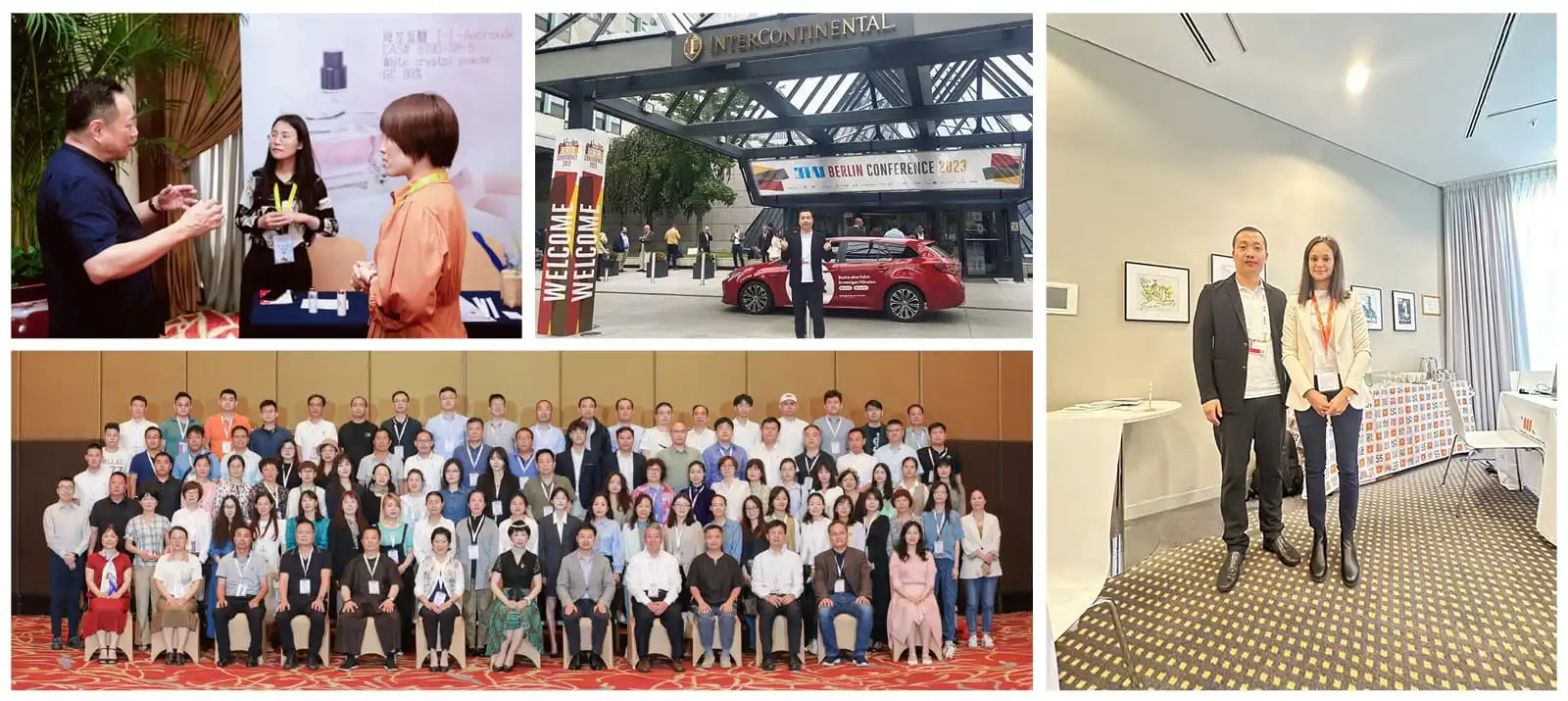
Angelbio reports more than 18 years of independent research and testing experience, with investment support from Angel Holding Group and the Institute of Life and Health Research at Xi'an Jiaotong University. Buyers should review these company details alongside current product specifications, batch records, sample results, and delivery performance.
Also confirm the minimum order quantity (MOQ), sample availability, production lead time, packaging options, and export arrangements. A product may meet the technical requirements, but supply reliability and communication are also important for repeat purchasing. Discuss forecast volumes and expected order frequency before entering a long-term supply arrangement.
Prepare Your Bulk, OEM, and Private-Label Request
For bulk purchasing, OEM, or private-label projects, prepare a clear inquiry brief. Include the intended application, target marker-compound content, preferred extract ratio if applicable, estimated annual quantity, required documents, packaging format, destination market, and expected delivery date.
These details help the supplier recommend a suitable grade and provide a more accurate quotation. They also make it easier to assess MOQ, lead time, packaging costs, and shipping arrangements. If the ingredient is intended for a beverage, specify the desired dispersion or solubility characteristics and the conditions of your formulation. If it is intended for capsules or tablets, include relevant requirements for flowability, particle size, and marker content.
For international shipments, documents may include a commercial invoice, packing list, COA, and applicable origin or customs information. Exact requirements depend on the destination market and shipping arrangement. A complete inquiry brief helps suppliers respond more efficiently and allows buyers to compare quotations on an equivalent basis.
Conclusion
Folium apocyni veneti extract powder is a botanical ingredient derived from Apocynum venetum leaves. Depending on the grade and local requirements, it may be used in dietary supplements, herbal tea blends, functional beverage formulations, and selected personal-care products. Its suitability depends on botanical identity, extraction process, marker-compound content, physical properties, and application-specific testing.
Standardized grades provide measurable targets for total flavonoids or individual markers such as hyperoside. Extract ratios alone do not confirm the concentration of these compounds, and whole leaf powder should not be compared with extract powder solely by price per kilogram. Solubility, density, moisture content, and storage conditions should be confirmed through the actual product specification and formulation trials.
A batch-specific COA with appropriate identification, assay, contaminant, and microbiological results helps buyers assess the material being delivered. Traditional use and published research provide background information, but finished-product claims must meet the requirements of the target market. For reliable sourcing, begin with a clear specification, representative samples, and consistent supplier documentation.
FAQ
1. What is folium apocyni veneti extract powder used for?
Depending on local regulations and the product formulation, it may be used in botanical supplement capsules and tablets, herbal tea blends, functional beverage mixes, and selected personal-care products. Its suitability should be confirmed through ingredient specifications and application testing.
2. How does it differ from leaf powder?
Extract powder is produced by extracting and concentrating selected constituents from the leaves. It may have a defined total-flavonoid or marker-compound specification. Whole leaf powder is simply processed leaf material and generally contains a broader range of plant components. The two formats should be compared using their analytical results and intended use.
3. Is it water-soluble?
Solubility depends on the extract grade, extraction process, carrier content, and formulation conditions. Some grades may disperse or dissolve more readily than others. Buyers developing beverages should request a sample and test it in the actual formula, including the intended pH, temperature, and storage conditions.
4. What is the shelf life?
Shelf life depends on the product's composition, moisture content, packaging, and storage conditions. The supplier should provide a product-specific shelf-life statement supported by relevant stability information. Keep the material in its recommended sealed packaging and follow the stated storage conditions. Retesting should be considered according to the supplier's documentation and the buyer's quality procedures.
Request Folium Apocyni Veneti Extract Powder Samples from Angelbio
Angelbio reports more than 18 years of independent research and testing experience. If you are looking for a folium apocyni veneti extract powder supplier for supplement, beverage, or OEM development, email your target specification, estimated order volume, and destination market to angel@angelbiology.com.
To help us understand your project, include your intended application, preferred extract ratio or marker-compound level, required testing documents, and packaging needs. Our team can discuss available grades, sample options, technical documentation, and quotation details based on your requirements.
References
1. Pharmacopoeia of the People's Republic of China, 2020.
2. Journal of Ethnopharmacology, 2012 (Xie et al., “Botany, traditional uses, phytochemistry and pharmacology of Apocynum venetum L.”).
3. Journal of Arid Land, 2012 (Thevs et al., “Apocynum venetum L. and Apocynum pictum Schrenk as multi-functional plant species in Central Asia”).
4. Journal of Natural Medicines, 2008 (Kamata et al., “Constituents from leaves of Apocynum venetum L.”).
5. U.S. Food and Drug Administration, 21 CFR Part 111, Current Good Manufacturing Practice in Manufacturing, Packaging, Labeling, or Holding Operations for Dietary Supplements, 2007.
6. Dietary Supplement Health and Education Act, 1994.
YOU MAY LIKE
 VIEW MOREErgothioneine Extract Powder
 VIEW MOREPolygonum Cuspidatum Extract Powder
 VIEW MOREBulk Polygonum Cuspidatum Extract Powder
 VIEW MOREAcerola Cherry Extract Powder
 VIEW MOREBlack Elderberry Extract Powder
 VIEW MOREL-glutathione Powder
 VIEW MOREWhite Willow Bark Extract Salicin
 VIEW MOREPure Melatonin Powder